
Shop Now
Telescopes and astronomy products
-
 Astrophotography Telescopes
Beginner Telescope: 70mm Aperture, 15x-150x Magnification
Buy Now on Amazon -
 70mm Aperture Telescopes
Celestron 70mm Travel Scope: Portable Telescope for Beginners
Buy Now on Amazon -

-

Latest News
From around the web
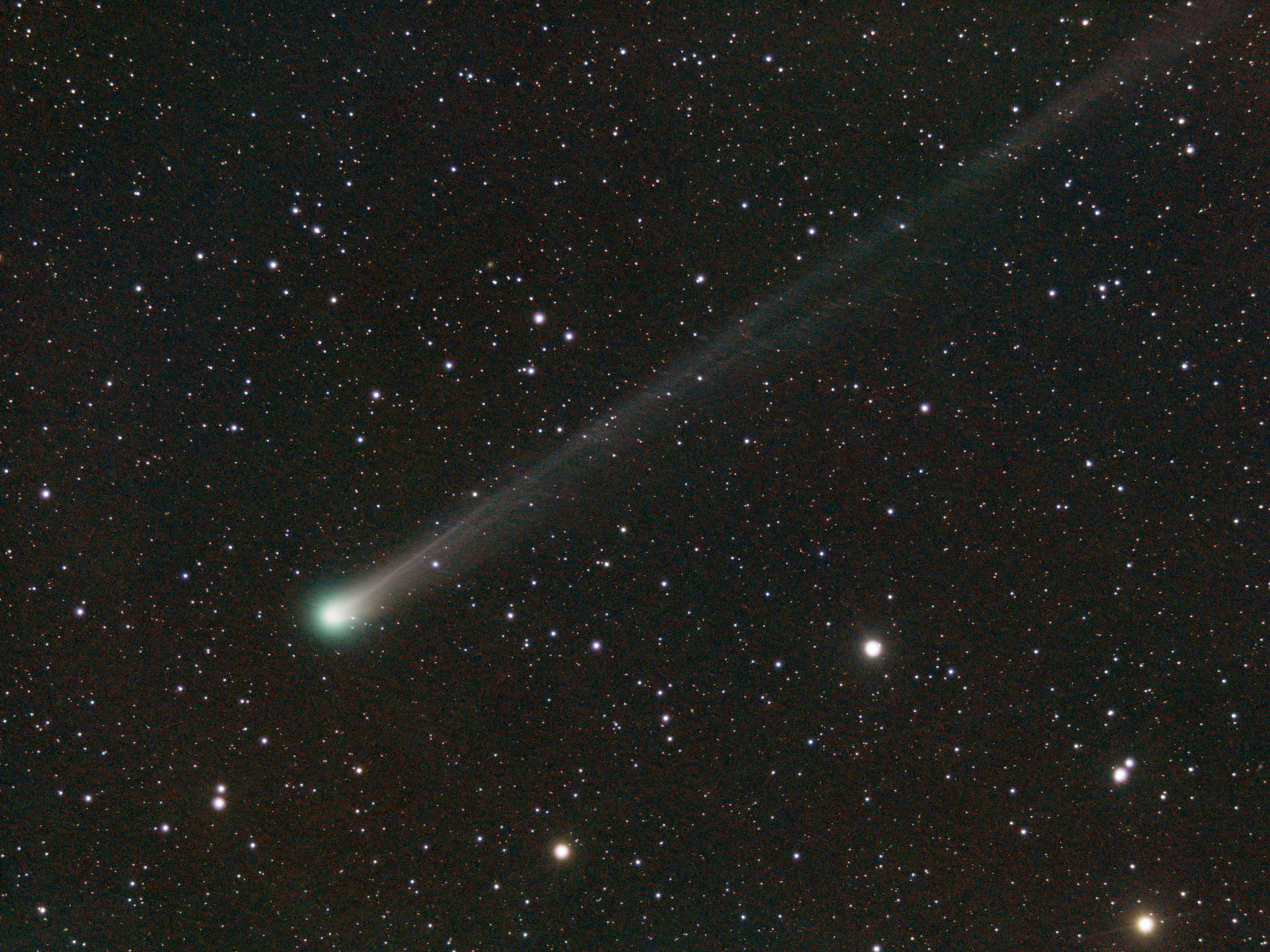
The Sky Today on Tuesday, October 21: The Orionids peak, Comet Lemmon is closest to Earth, and Titan makes a transit
Tue October 21st, 2025
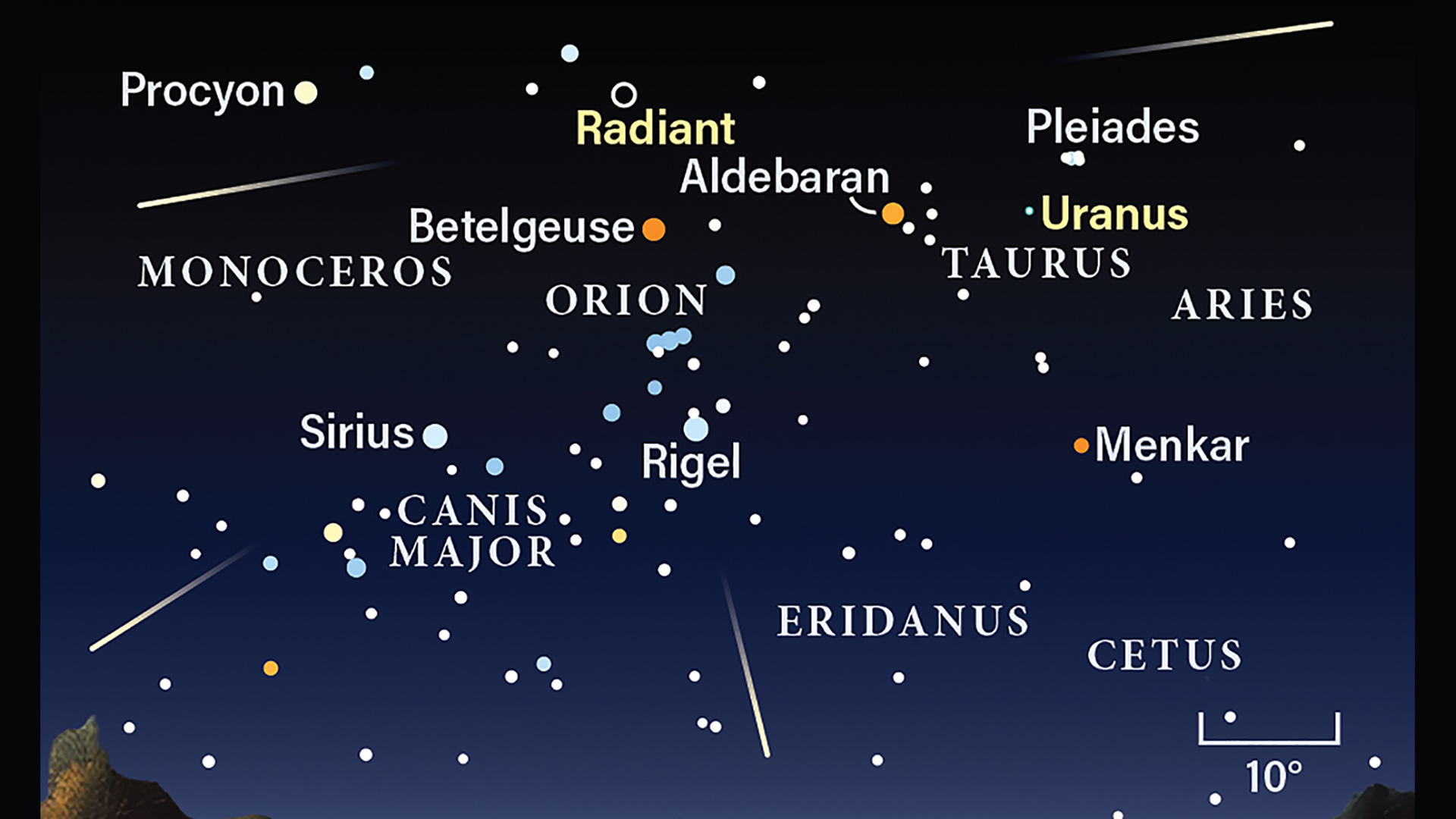
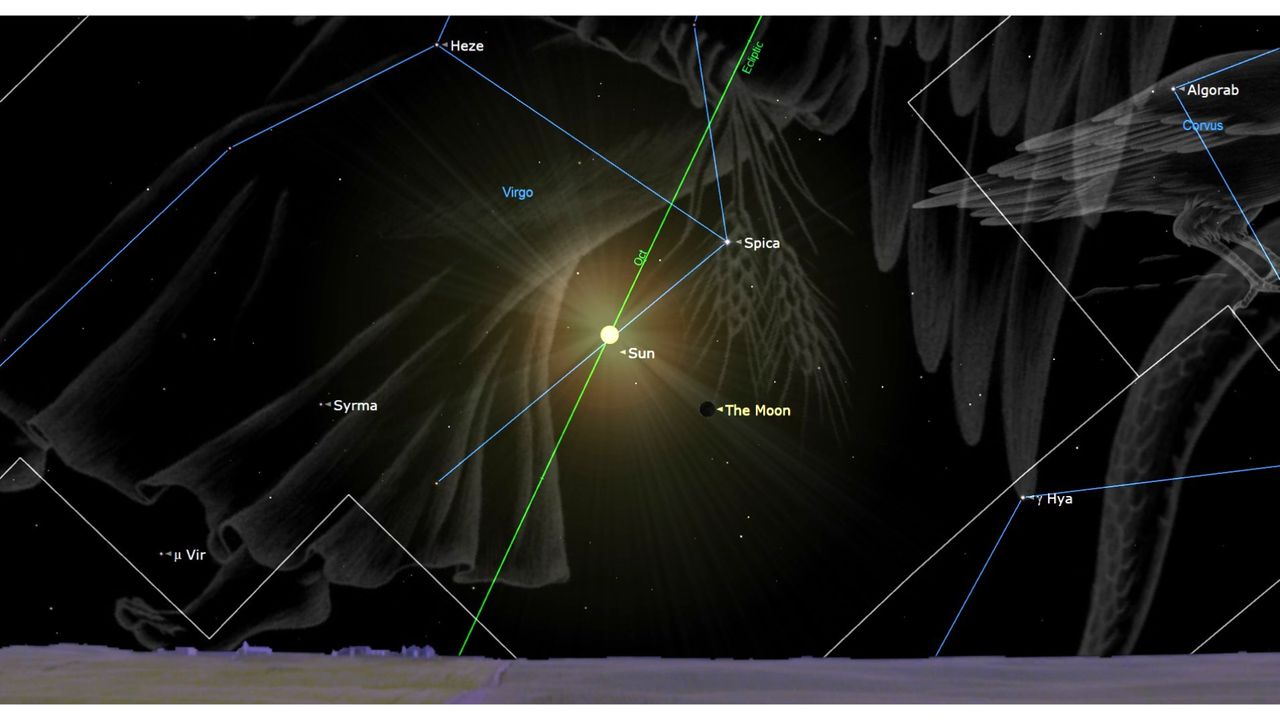 New moon of October 2025 hides red star Antares for some lucky stargazers tonight
Mon October 20th, 2025
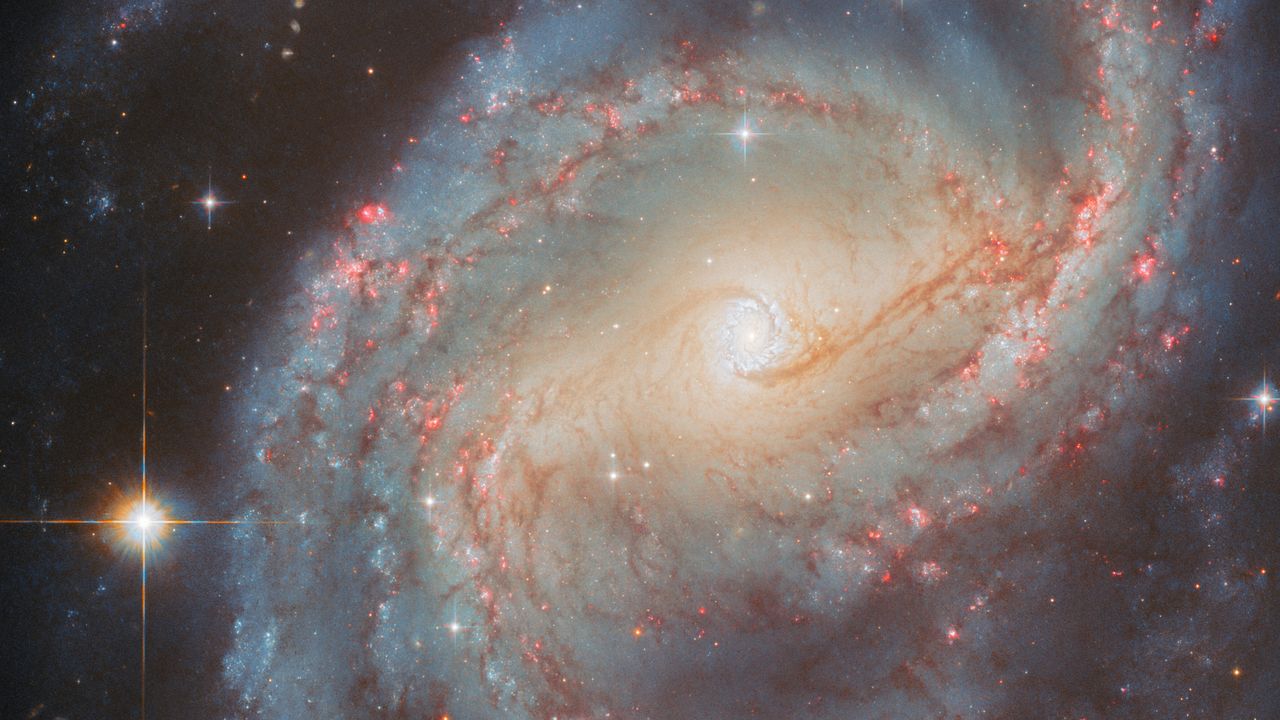 Hubble spies a glowing 'starburst ring' | Space photo of the day for Oct. 20, 2025
Mon October 20th, 2025
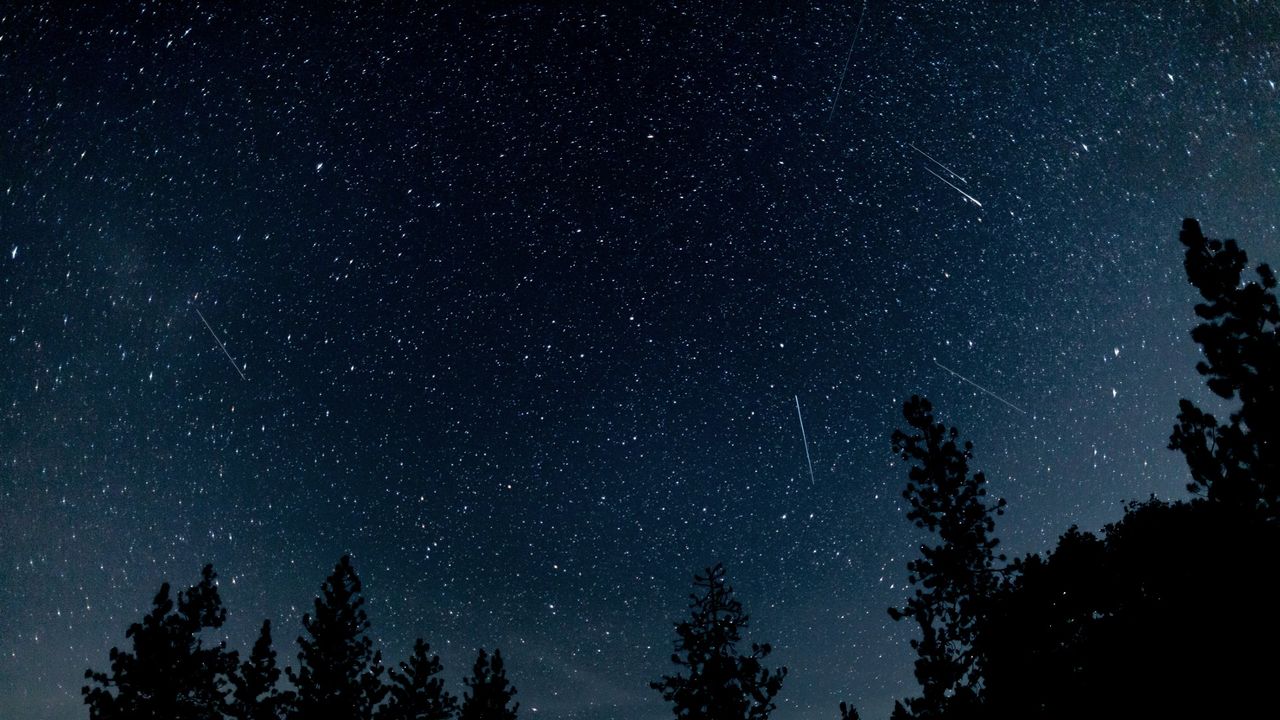 Don't miss the Orionid meteor shower peak begin overnight tonight under a moonless sky
Mon October 20th, 2025
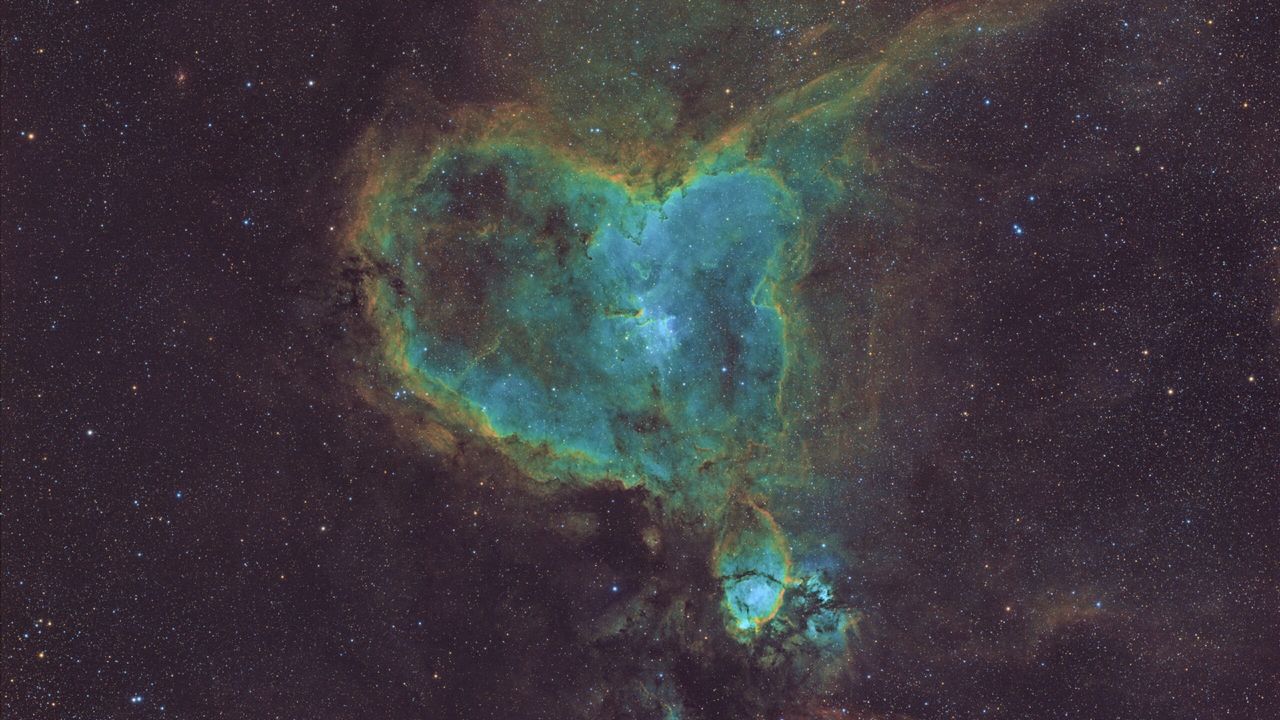 A cosmic heart bursts with light in new deep space astrophotographer portrait (photo)
Sun October 19th, 2025
Images from the Mars Perseverance Rover – Photo stream updated daily!

Camera: Front Hazard Avoidance Camera - Left
Earth Date: Tue February 4th, 2025
Sol: 1409

Camera: Front Hazard Avoidance Camera - Left
Earth Date: Tue February 4th, 2025
Sol: 1409

Camera: Front Hazard Avoidance Camera - Left
Earth Date: Tue February 4th, 2025
Sol: 1409

Camera: Front Hazard Avoidance Camera - Left
Earth Date: Tue February 4th, 2025
Sol: 1409
NASA's Astronomy Picture of the Day (May 9th, 2026):
Messier Craters in Stereo
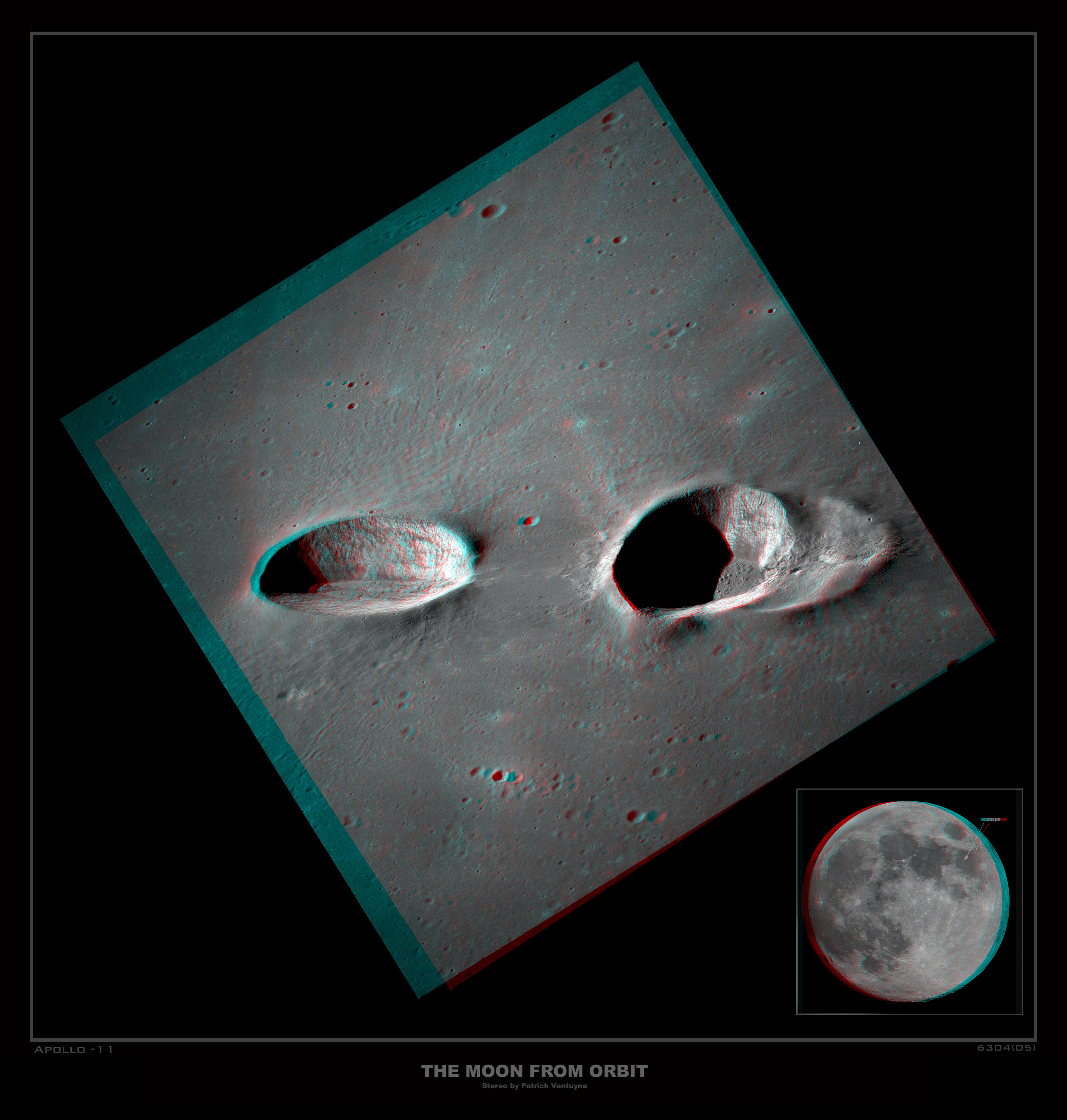
From NASA: "Many bright nebulae and star clusters in planet Earth's sky are associated with the name of astronomer Charles Messier from his famous 18th century catalog. His name is also given to these two large and remarkable craters on the Moon. Standouts in the dark, smooth lunar Sea of Fertility or Mare Fecunditatis, Messier (left) and Messier A have dimensions of 15 by 8 and 16 by 11 kilometers respectively. Their elongated shapes are explained by the extremely shallow-angle trajectory followed by an impactor, moving left to right, that gouged out the craters. The shallow impact also resulted in two bright rays of material extending along the surface to the right, beyond the picture. Intended to be viewed with red/blue glasses (red for the left eye), this striking stereo picture of the crater pair was recently created from high resolution scans of two images (AS11-42-6304, AS11-42-6305) taken during the Apollo 11 mission to the Moon."