
Shop Now
Telescopes and astronomy products
-
 Astrophotography Telescopes
Beginner Telescope: 70mm Aperture, 15x-150x Magnification
Buy Now on Amazon -
 70mm Aperture Telescopes
Celestron 70mm Travel Scope: Portable Telescope for Beginners
Buy Now on Amazon -

-

Latest News
From around the web
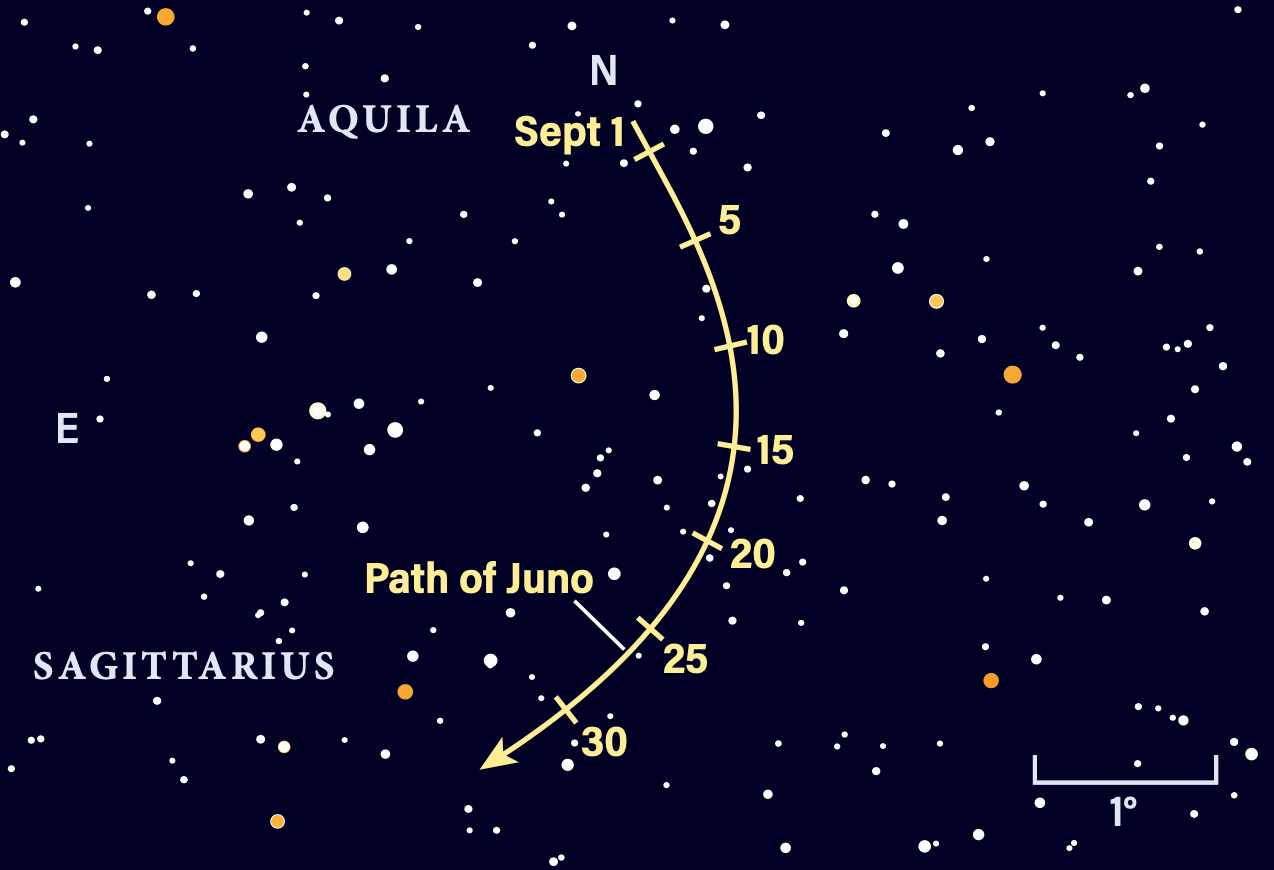
The Sky Today on Sunday, September 20: Juno’s movement
Sun September 20th, 2026
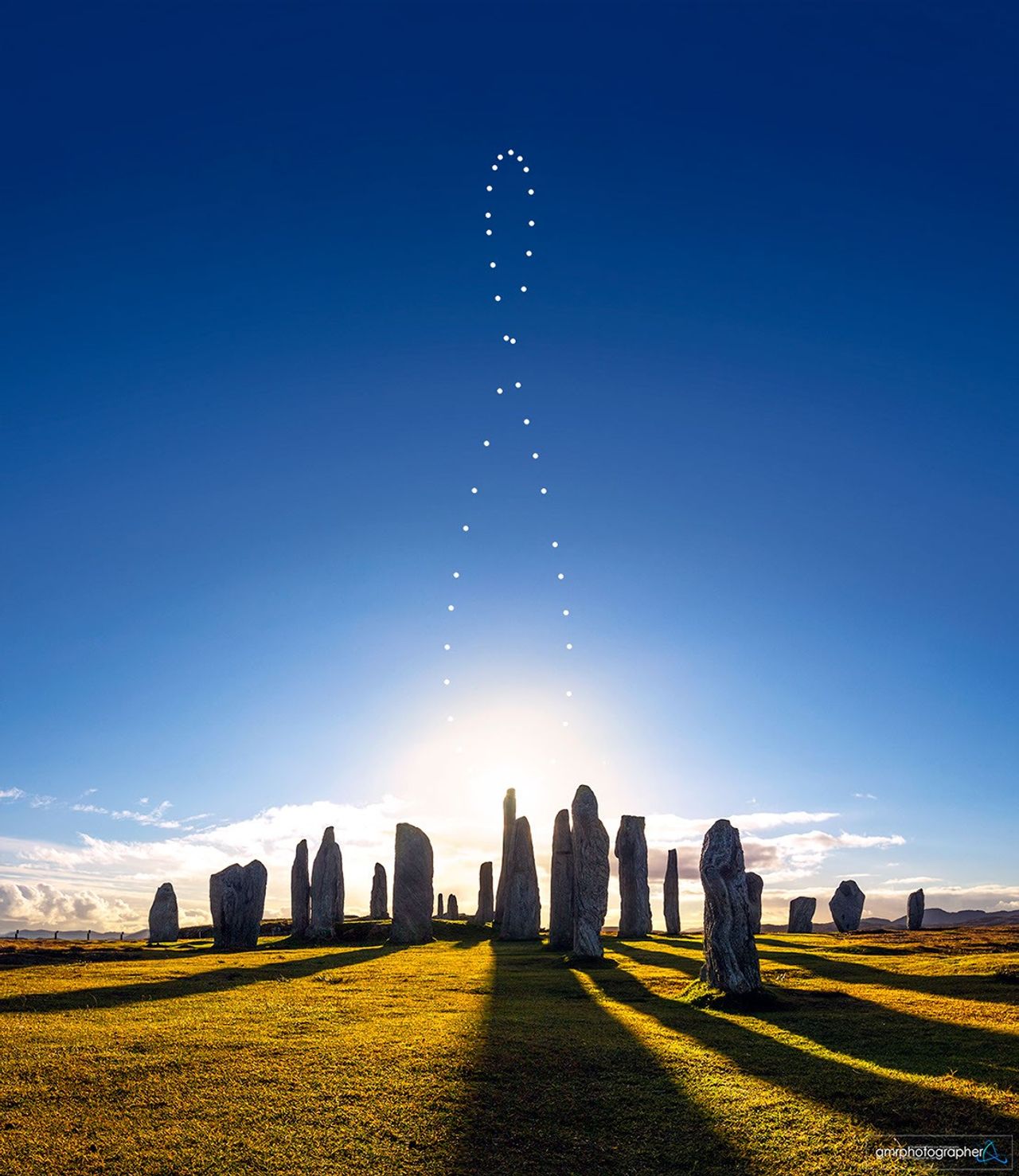
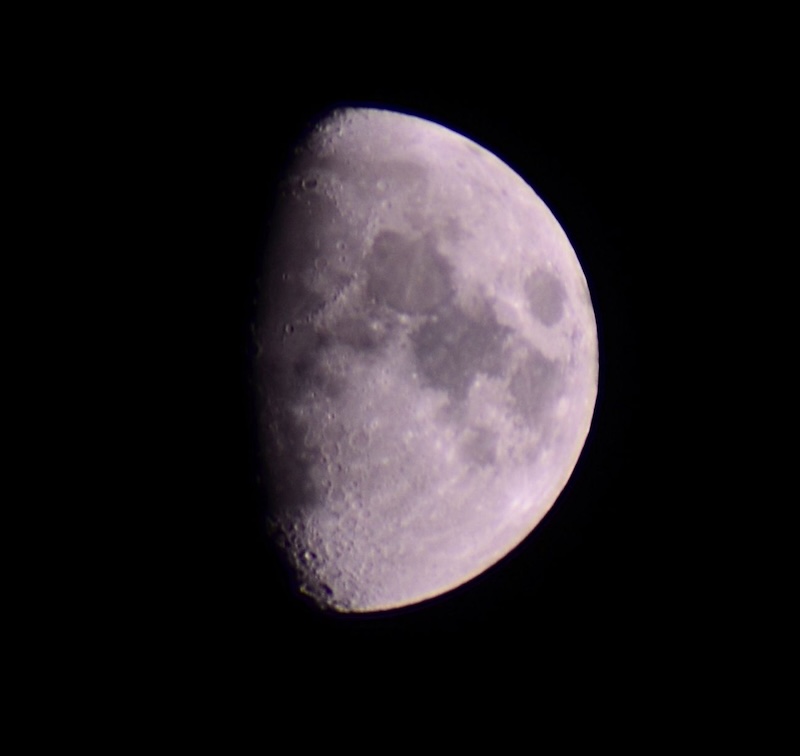
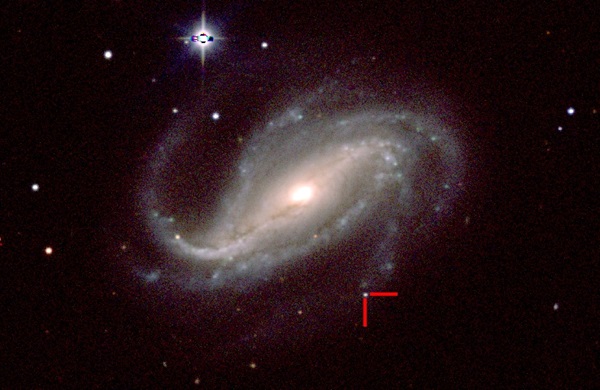


Sun September 20th, 2026
Images from the Mars Perseverance Rover – Photo stream updated daily!

Camera: Front Hazard Avoidance Camera - Left
Earth Date: Tue February 4th, 2025
Sol: 1409

Camera: Front Hazard Avoidance Camera - Left
Earth Date: Tue February 4th, 2025
Sol: 1409

Camera: Front Hazard Avoidance Camera - Left
Earth Date: Tue February 4th, 2025
Sol: 1409

Camera: Front Hazard Avoidance Camera - Left
Earth Date: Tue February 4th, 2025
Sol: 1409
NASA's Astronomy Picture of the Day (October 26th, 2026):
NASA Science

From NASA: "The Great Nebula in Orion, an immense, nearby starbirth region, is one the most famous of all astronomical nebulas. Here, glowing gas surrounds hot young stars at the edge of an immense interstellar molecular cloud only 1500 light-years away. In the featured deep image in assigned colors highlighted by emission in hydrogen, wisps and sheets of dust and gas are particularly evident. The Great Nebula in Orion can be found with the unaided eye near the easily identifiable belt of three stars in the popular constellation Orion. In addition to housing a bright open cluster of stars known as the Trapezium, the Orion Nebula contains many stellar nurseries. These nurseries contain much hydrogen gas, hot young stars, proplyds, and stellar jets spewing material at high speeds. Also known as M42, the Orion Nebula spans about 40 light years and is located in the same spiral arm of our Galaxy as the Sun.Tomorrow's picture: open space "